
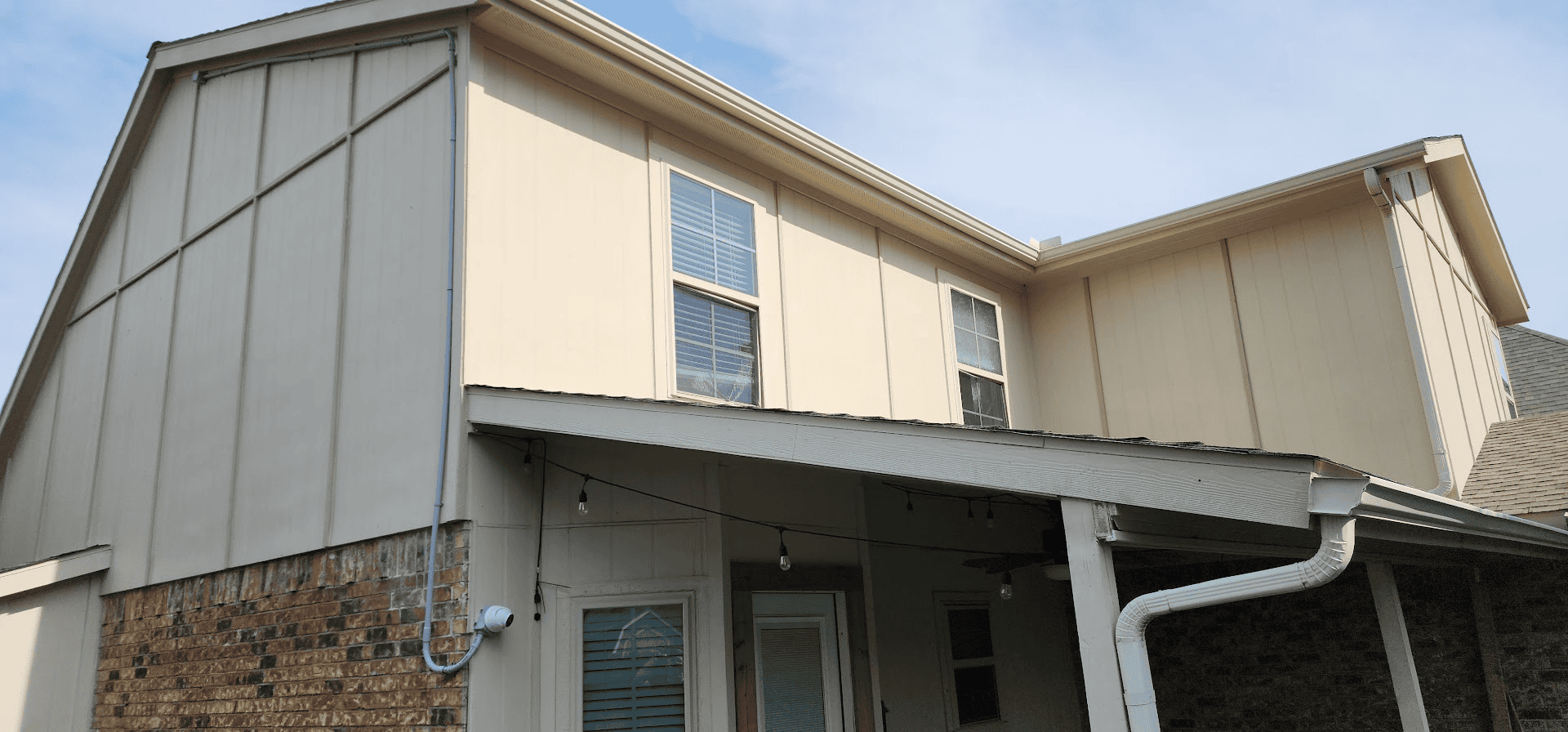
If you are buying a house, then this article is for you. I vividly remember the first house my wife and I seriously considered. We walked in, and it was… a house. Windows, doors, floors, walls, a roof – check, check, check. Beyond the obvious, I had absolutely no clue what I should be looking for or what questions to ask. Since my first home purchase, I’ve spent years immersing myself in the world of construction; specifically residential remodel. My experience has taught me how to better evaluate the condition of a structure, how to better identify underlying issues that a property may have, and how to prevent those issues from causing serious damage to the structure over time. Because this is knowledge that I desperately wish I had possessed when I bought my first home, I want to share it with you with the hope that it can help you make the best decision for your investment. After reading this article you will know if the property you are looking at is in good shape, or a if it is a “money pit.”
How To Evaluate the Integrity of a House: What I Wish I Knew
It is always recommended to have a third party inspection done on the property before purchasing. However this may not always be possible. Even if a third party inspector comes out and does an inspection, there is no guarantee that he will be able to catch every issue. His main role is to reasonably assess what he can, take photos, and provide an inspection report. I have talked to many new homeowners about the current condition of their property only to hear them reply with, “the inspector didn’t say anything about that.” As a personal anecdote, just a few weeks after we purchased our first home, we got hit with our first surprise problem. During a big rain storm, water began pouring inside from a few of the windows. It was horrific! Come to find out these windows had been improperly installed and had not been sealed. And unfortunately for us, this issue did not get called out on the inspection report. If Top 8 Things to Look for when Buying A House 1 we had known this information ahead of time, we may have been able have the seller pay for this repair instead of it coming out of our pockets. No one is going to care about the future of your investment as much as you. The realtor, the seller, the inspector, these agents all there to help close the deal. It is your responsibility as the buyer to deal with the consequences. So how do we identify the risks? Well, we start with a structural assessment.
Structural Assessment
Okay so you want to know if the house you are looking at is a diamond in the rough, or a problem waiting to happen. Alright then do not get fooled by all the bells and whistles. You must look into the details. Start by taking a lap around the perimeter of the structure. Look at the outside of the house with an attentive eye. The perimeter check will show you if the house has been maintained well or if it has hidden issues.
Windows
First, check to see if windows have been sealed well. Look around the edges of the window. If there are gaps between the window and the brick or siding, then likely water has been eroding the structure.
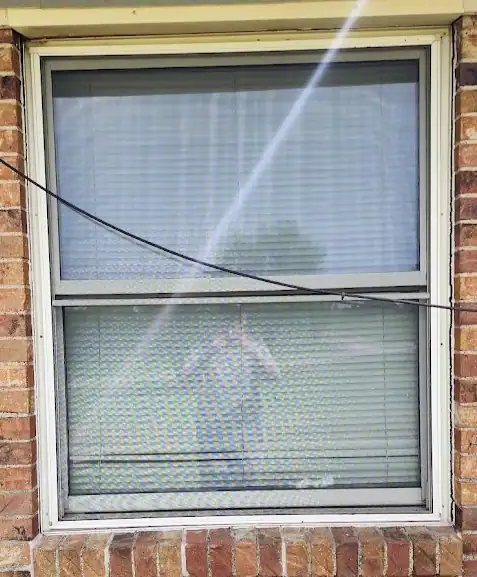
notice the gap along the edge of the window next to the brick
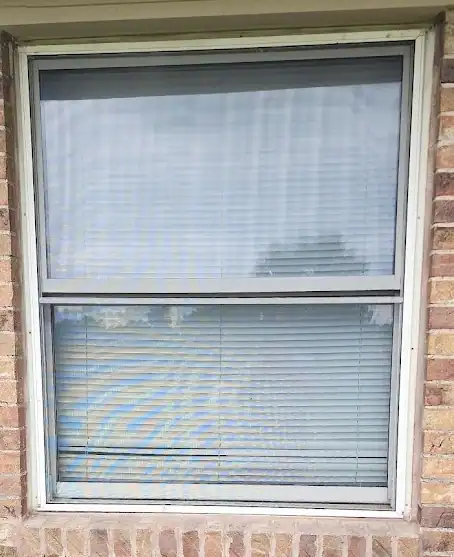
a tight seal has eliminated any area for water to get inside
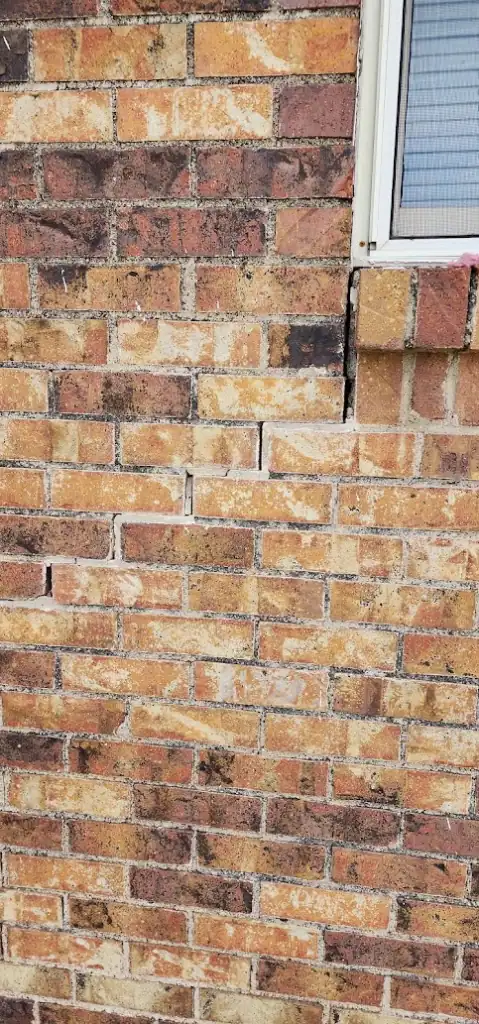
Gaps like these allow rain water to get behind the exterior wall and will cause cracking in the brick as the water looks for a route to escape. Below are two more photos to illustrate the cracked bricks caused by poorly sealed windows.
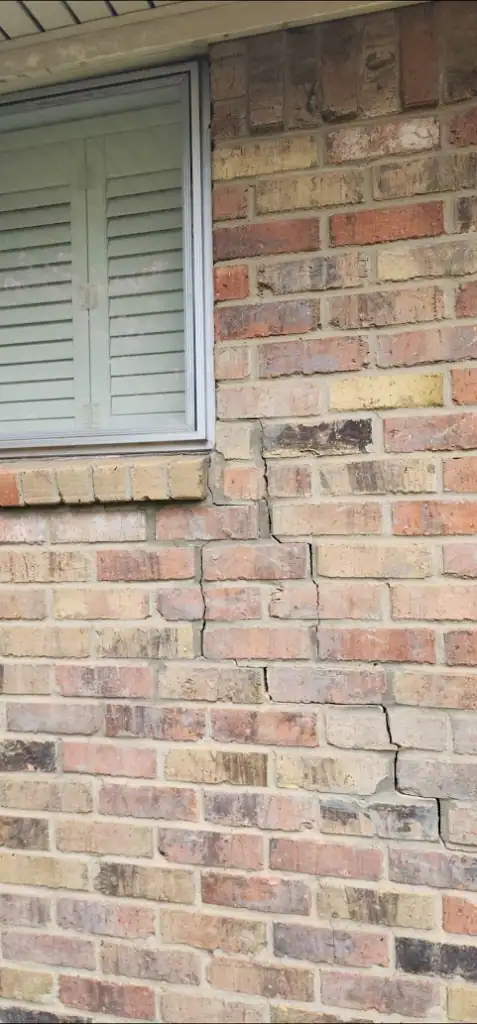
Once the erosion gets this bad the next stage of damage is likely to lead to cracked interior walls, ruined flooring, and rotted structural framing. These kind of issues often get (mis)diagnosed as foundation issues. Foundation repair is not always the answer. If the foundation is cracked or severely sloped, then you may need foundation repair. Do not assume that foundation repair will solve all your issues. The risk we are more concerned with for this article is erosion.
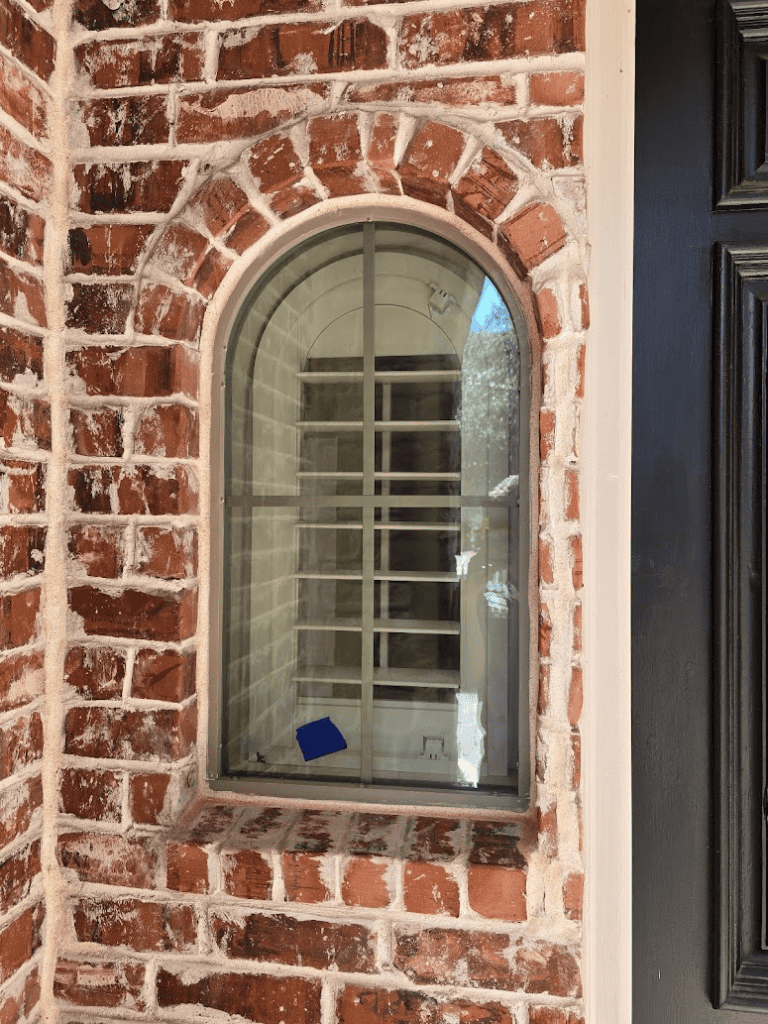
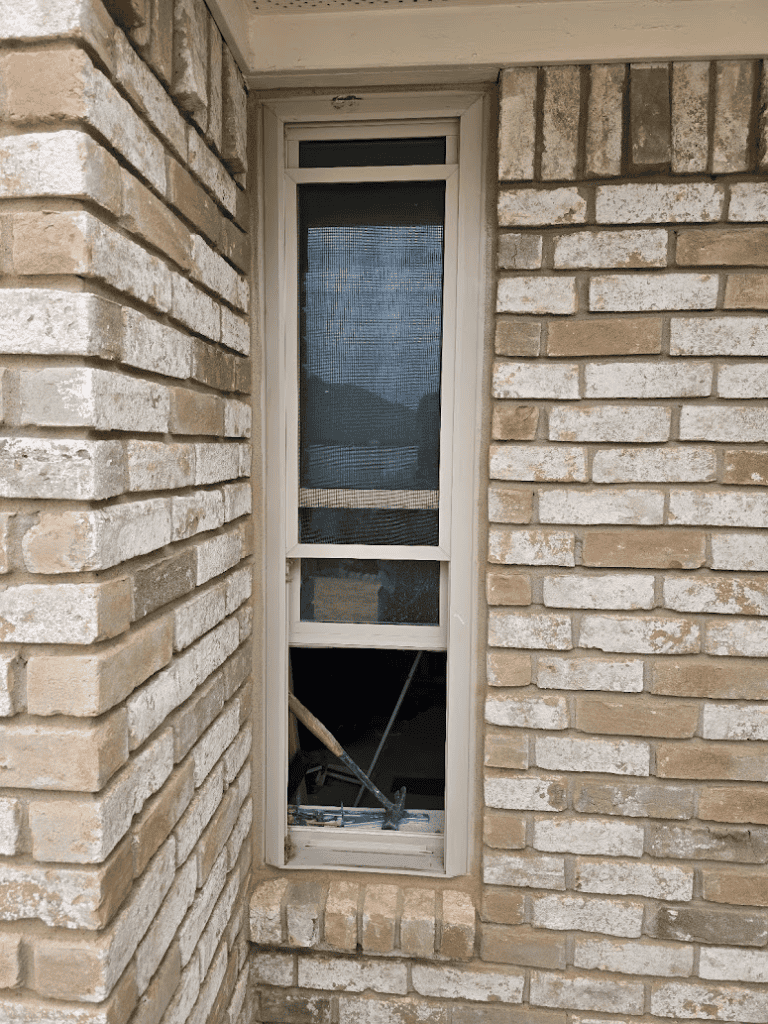
Below are pictures of windows that that have been sealed well.
Soffits and Siding
After you have inspected the seal around all the windows, your next step is to inspect the soffits and the siding. You are looking for gaps where the soffits and siding materials meet each other or the bricks. Unfinished trim or siding will lead to rain leaks that can cause serious problems like mold, ruined flooring, cracked interior walls, and structural damage.
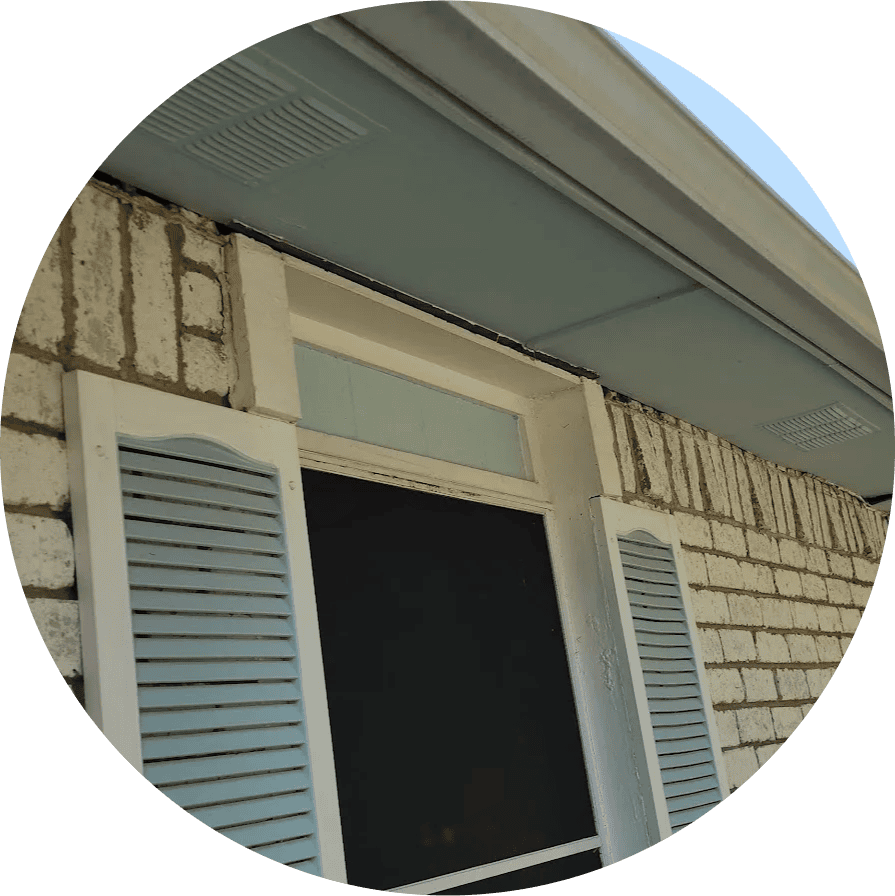
If there are gaps between the soffits and the brick, then this is a sign that the trim was not completed and the house is susceptible to rain leaks and pests. A completed trim job should cover any gap between brick and soffits.
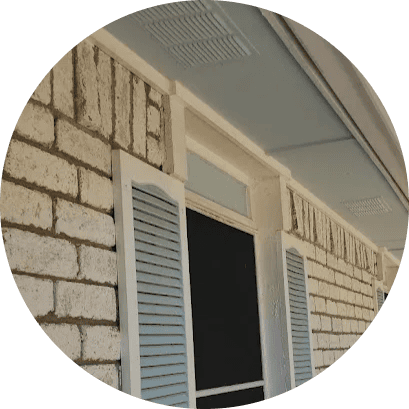
The siding on the house in the photo below is incomplete because the trim has not been installed completely. Compare this photo to the one underneath it to see how the siding and trim should look once the trim has been completed.
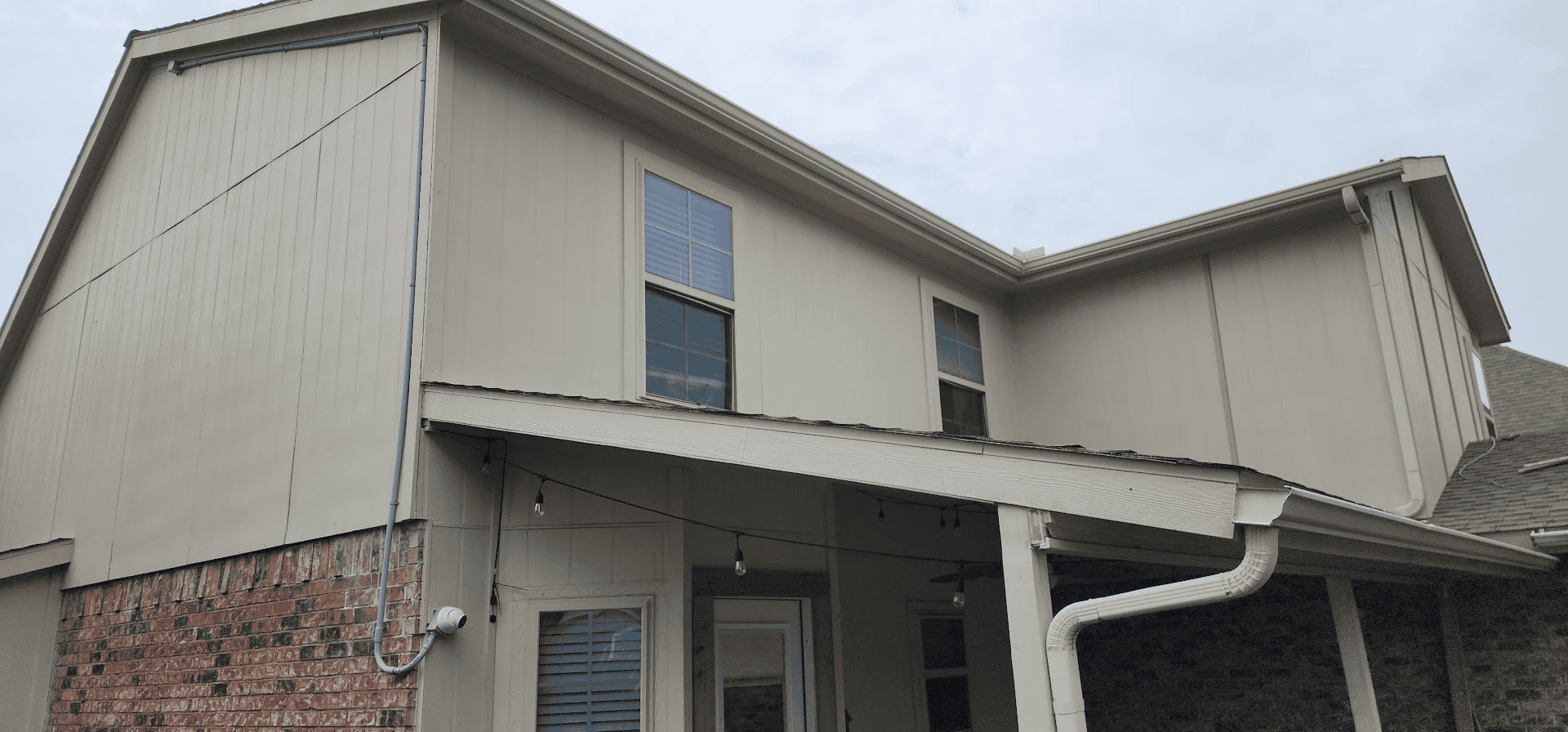
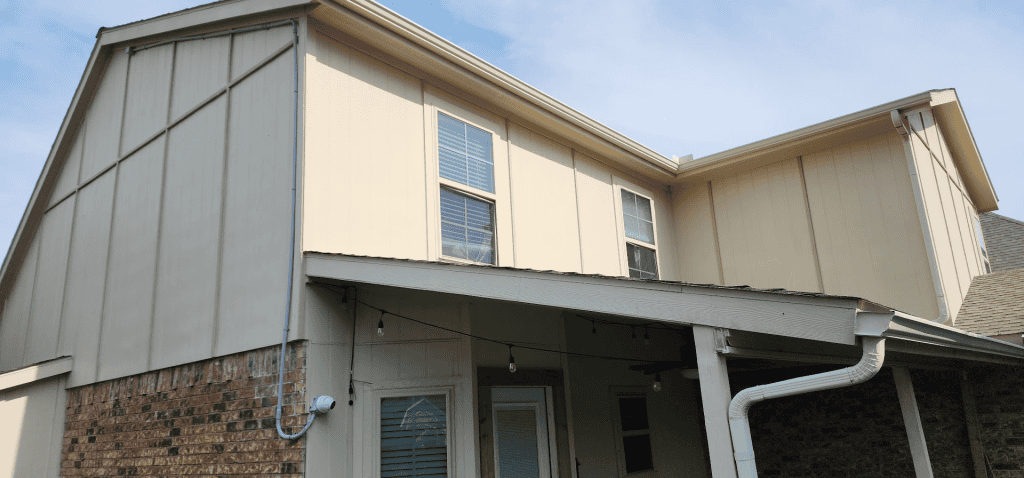
Incomplete siding trim can result in water erosion, structural damage, and mold. If the house does not look like it has been painted in several years and it has incomplete siding trim, then likely there is some hidden problems.
Eves
Does the house have eves? An eve is the area of the roof that overhangs above the exterior wall about 2 feet or so like in the photos above. Eves are important features that protect the structure from rain run off. A house without eves will need extra maintenance to protect from rain leaks. To have eves installed around a 1800 sq ft single story home could cost around $20,000-$30,000. Pictured here is a house with no eves

Drainage
While your outside, check for gutters and proper drainage. Having gutters is not a deal breaker, but how the gutters are installed and how the drainage system is set up are critical. If gutters have been improperly installed, then water can pool up for long periods, attract insects, and cause damage. Elevated flower beds without proper drainage solutions will lead to erosion of the structure. If left unattended water may find its way under the house.
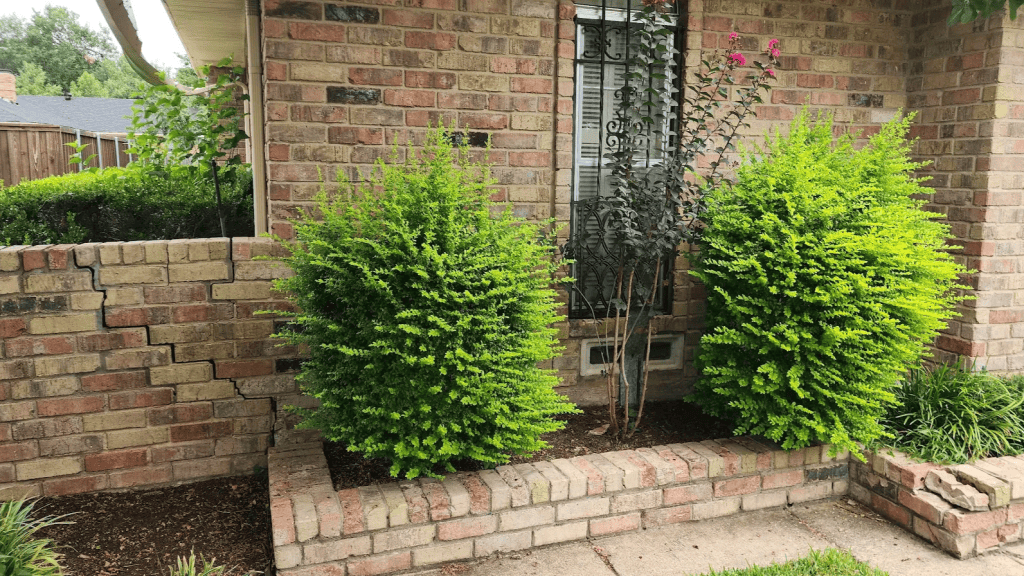
Drainage problems like these are solvable but cost several thousands of dollars to repair and correct.
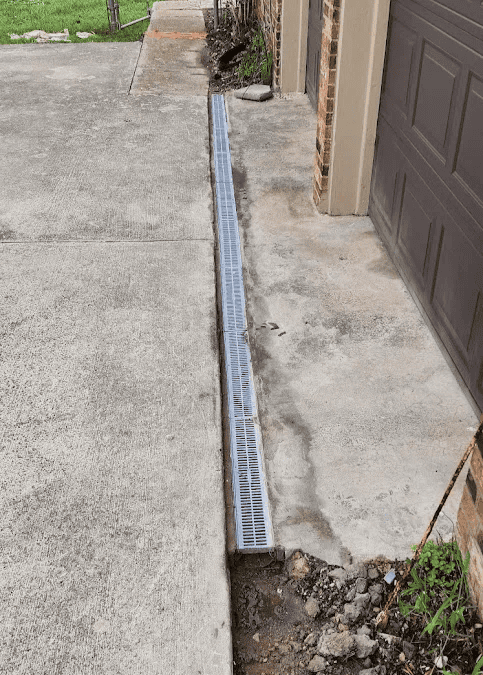
Proper drainage solutions are important for the long term safety of the foundation. This means that water should be running away from the structure in all directions. If any area of the yard slopes in toward the structure, and there is not a drainage system in place like this photo, then there is a problem. If water is able to get under the house, it will drastically increase the rate of shifting the house experiences. Even if foundation repair is done on the house, if the drainage solution is not solved for, the shifting will continue.
Chimneys
Chimneys that are left unprotected for long periods will result in structural damage. If a chimney has been left like this for a while, then it likely needs some attention. Sealing a chimney area can be several thousand dollars considering the extent of the damage.
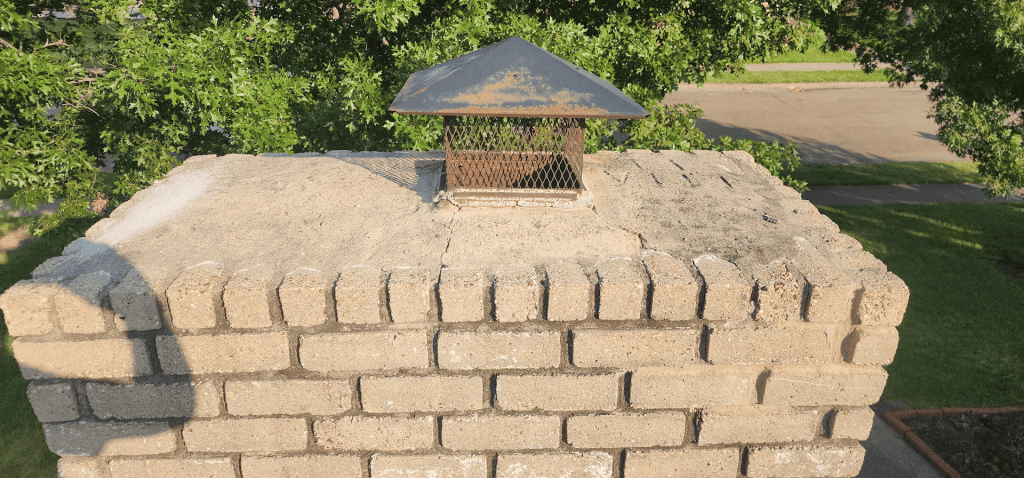
A well protected chimney will have a double decker chimney cap on its top, and the flashing at its base.
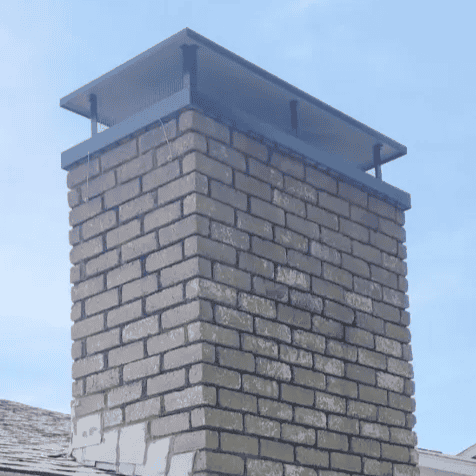
If a house you are looking at has no chimney cap, you should expect there to be future issues waiting for you. These issues will likely manifest as rain leaks inside the house or in disrepair of the roof around the chimney. In worst cases the chimney will fall apart.
Roof Supports
The next part of the structural assessment will be inside the house, specifically inside the attic. First check to see where the attic access is or if it exists at all. Once inside the attic look around for roof supports. Roof supports are in place to help support the weight of the roof. Lots of times homeowners or contractors will remove them to make their current project easier. If they forget to replace them, over time the roof will begin to sag. If you look around and see little to no supports, then there is an issue. These photos below show an attic space with little to no vertical supports for the roof.
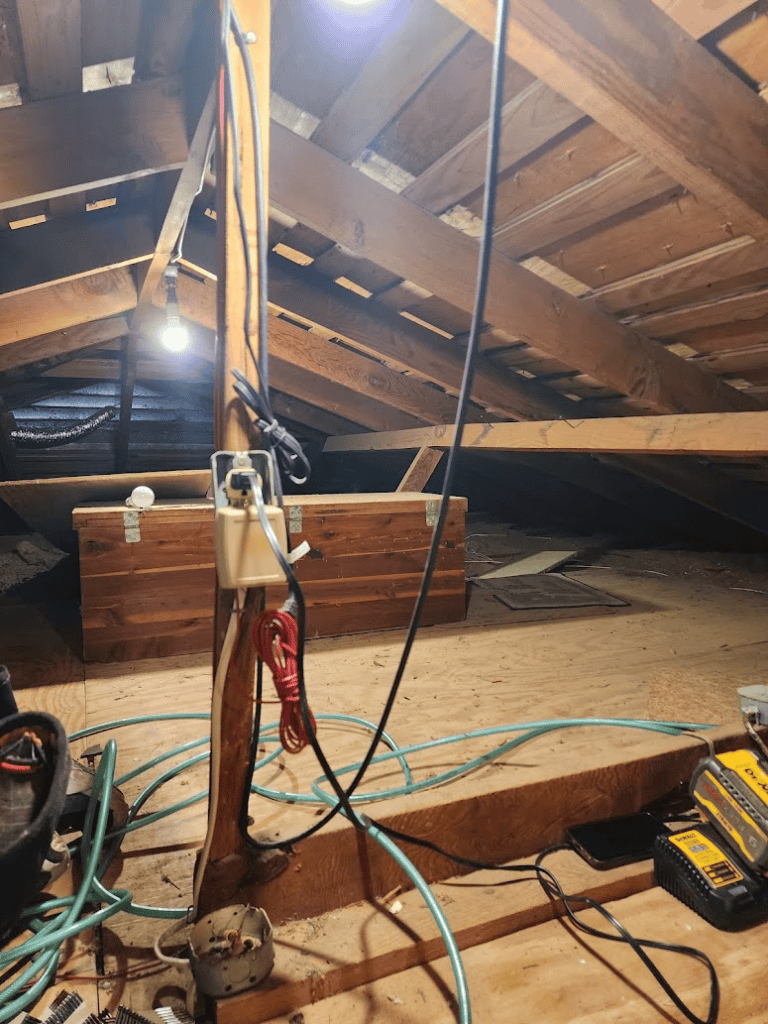
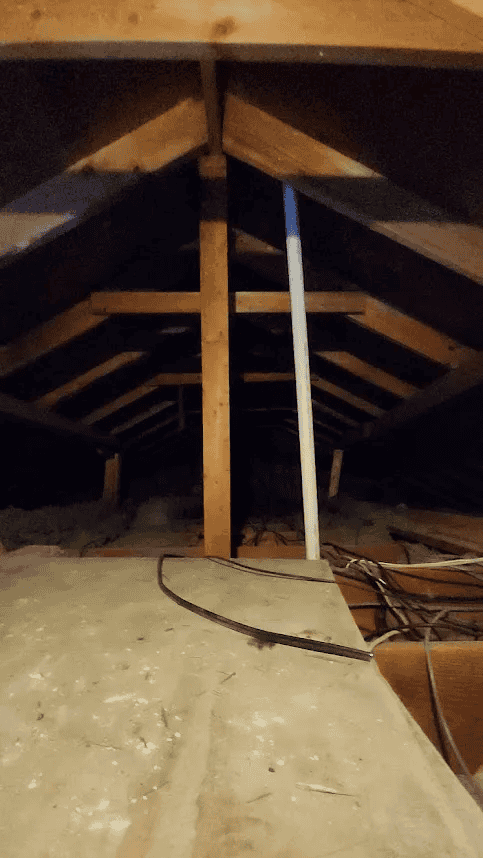
A well supported roof should have attic supports that look similar to these photos below
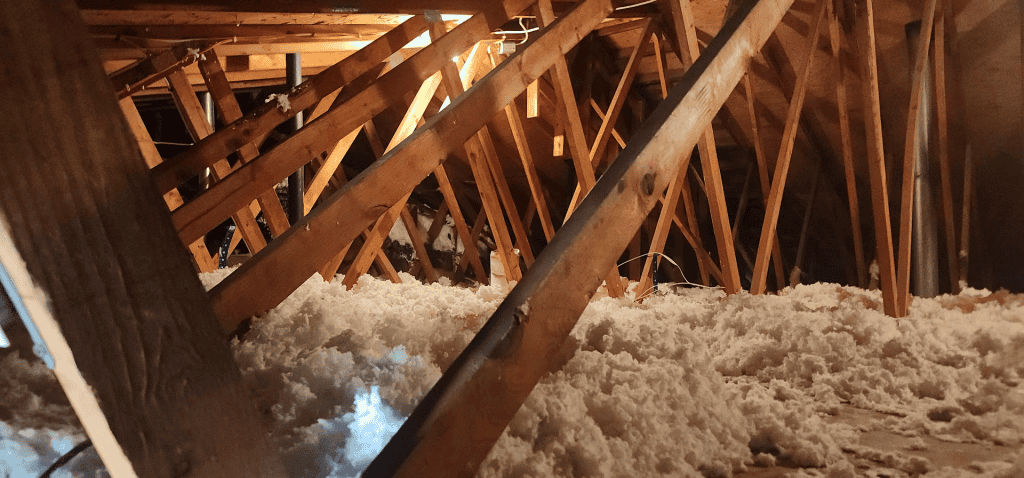
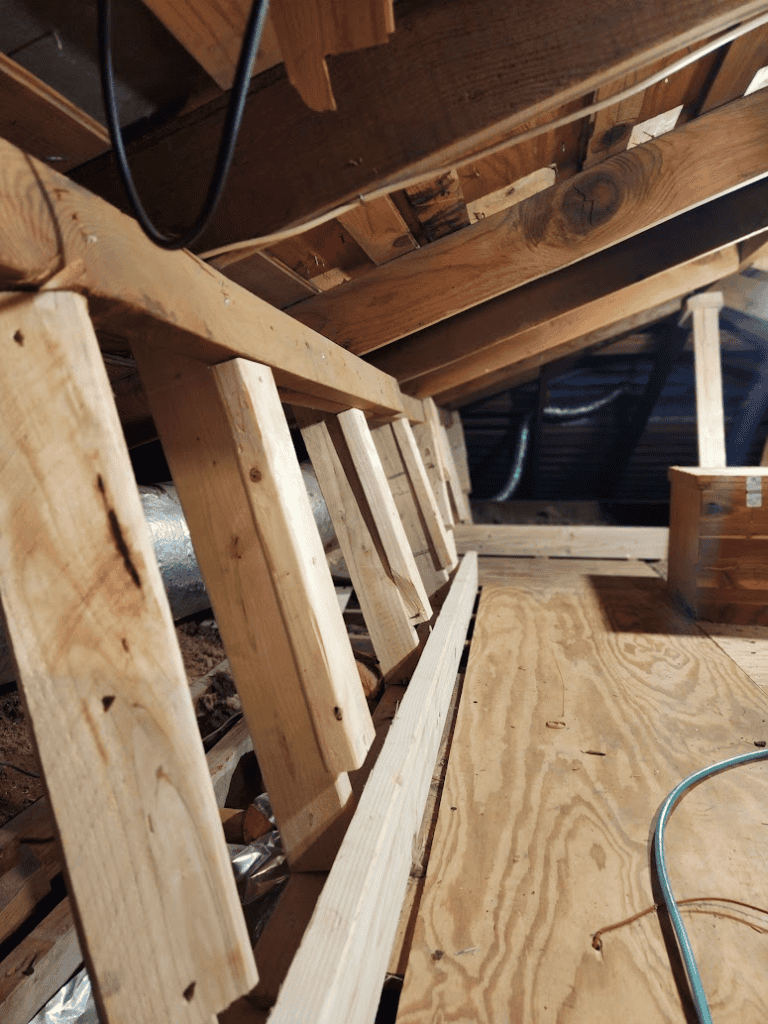
Drain Leak Test
One summer I helped a client with a remodel. Brand new homeowner. He was concerned because the house smelled like mildew. We investigated and found out that the toilet drain and shower drain for the master bath had never been connected to the main sewer line. The result was that water had washed away almost all the dirt from under the concrete slab foundation, and dirty water was pooling up under the house. Even a thorough inspector would not have been able to spot this issue. The only way to know would be with a leak test. A drain leak test is the surest way to determine if any leaks exist in the drain system of the house. This means kitchen sink drains, toilet drains, shower drains, and all paths the lead to the main sewer line. The idea is that you close the access off to the main sewer drain, and then fill the rest of the drainage system with water. You leave the water inside the drain system for 24 hours. If there are any leaks, then you will know. There are other versions of this test, like a smoke test, which are just as as useful. Tests like these can cost up to $400 – $500 dollars up front, but could save you from tens of thousands of dollars of damages. Here is a picture of the kind of mess that a leaky drain can cause a home.
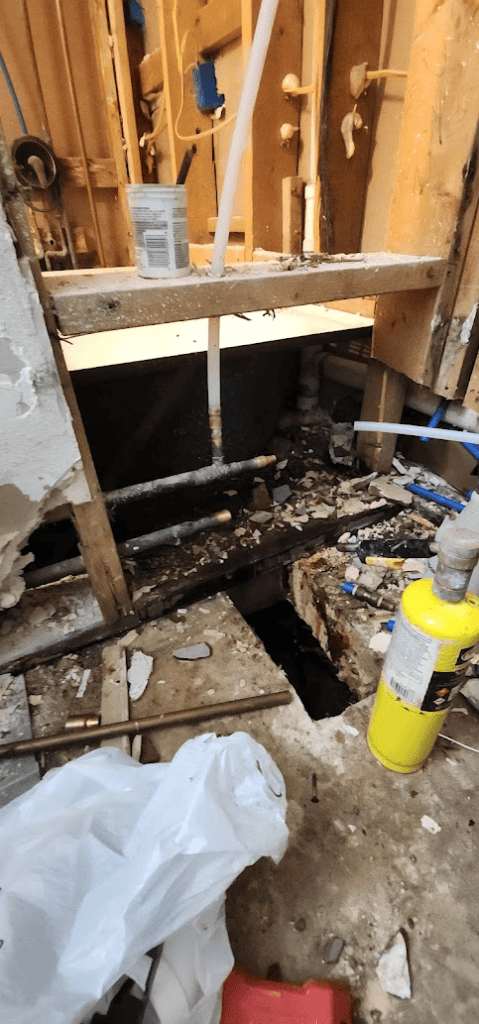
To correct this issue on a concrete slab foundation $10,000+. The sooner you can spot and solve this problem the better. Before purchasing a home, do yourself a favor and perform a drain leak test. If you find out about this problem while still negotiating with the seller because you paid for the drain leak test, then you will have saved yourself a world of problems.
A/C Filters
I lived in a house for 5 years before I found out that my air handler had a place for an air filter. For 5 years we had allowed unfiltered air to dirty up the ductwork. Neither the sellers or the inspector gave us any indication that the system needed a filter. Sometimes they can be tricky to find and can often get overlooked. A system without proper filters can create mold. Check the air duct system for mold, ask where the air filter is, not just for the returns but for the air handler. You do not want mold in your air vents. Have them looked into by a professional.
In Conclusion
Shopping for homes can be overwhelming when we do not know what to look for. The list above is intended to help you navigate the home evaluation process. If everything on this list is inspected and is in good shape, then the house under consideration is structurally sound. Not everything can be perfect in every house. Its not fair to expect everything to be perfect when you are shopping. But equipped with this information you can better assess the risk you will incur with the property under consideration. If you are clever and the market is right, you could use this information as negotiating leverage with your seller. If you are looking for a trusted contractor to help you assess a property you are interested in, then check us out at www.mrhomeremodel.com . We love to share our knowledge and have the experience you need.